Hilda Marchbank • Royton • March 1992

A conviction that still demands answers.

Susan May was convicted of murdering her aunt, Hilda Marchbank, for whom she was the principal carer. Susan maintained her innocence until her death in October 2013. Her deathbed confession was: “I did not kill my aunty.” The conviction remains in force, but the investigation, forensic handling and presentation of the scientific evidence have all been seriously questioned.

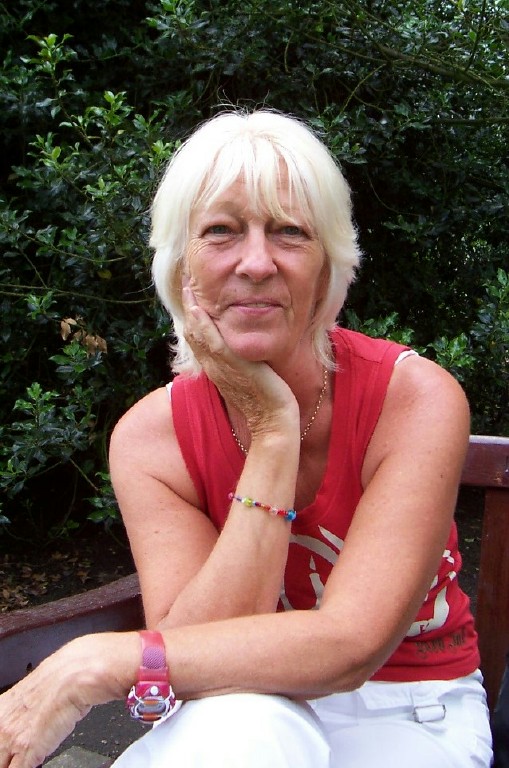
Susan May seated outdoors
Susan May maintained her innocence until her death in 2013.
1992Hilda Marchbank was killed at her home in Royton.
1993Susan May was convicted at Manchester Crown Court.
1999The CCRC referred the conviction to the Court of Appeal.
2025A new CCRC application was registered as 01260/2025.

The starting point

Hilda was murdered. Susan said she came to care for her—and found her dead.

Hilda Marchbank was 89 and lived alone at 24 Tandle Hill Road in Royton. Susan May, her niece and principal carer, visited daily. On the morning of 12 March 1992 Susan said she found Hilda dead in her bedroom and called for help.

The prosecution later alleged that Susan had killed Hilda the previous evening for financial gain. Susan denied the accusation throughout her life. She was convicted in May 1993 and sentenced to life imprisonment.

Official record

How Susan became the suspect

The CCRC later identified serious concerns about the early police treatment of Susan. She was dealt with as a witness while evidence was developing against her, was not cautioned at that stage and did not have legal advice. The Court of Appeal reached a different conclusion about the effect of those events.

Alternative enquiry

Police also had “good suspects”

A police policy entry described Michael Rawlinson and another man as “good suspects”, although it recorded no evidence then linking them to the murder. Rawlinson was a burglar with a history of violence and possible access to an orangey-red Ford Fiesta. That line of enquiry did not feature at Susan’s trial.

Why the case remains disputed

Four questions sit at its centre.

The prosecution case was circumstantial and depended heavily on marks on the bedroom wall. Later records raise questions about what those marks were, when they were deposited, how the samples were handled and whether alternative lines of enquiry were properly pursued.

Expert opinion
01

Was JH1 proved to be blood?

Later testing and expert opinion did not produce one simple answer. A positive presumptive reaction is not the same as confirmation of human blood.

Primary record
02

Can the continuity be trusted?

Unlabelled material, retrospective notes, unusual storage and a leaking reference sample all require careful explanation.

Unresolved
03

What happened to the red-car lead?

Police described two men as “good suspects”. A related Fiesta was recovered, but its initial examination and disclosure history remain disputed.

“There’s a bloody hand print on the wall.”
The trial judge’s description to the jury — later scientific evidence is more qualified

Watch and listen

Meet Susan. Then examine the case.

The first programme allows visitors to hear Susan herself. The second is Geoff Goodwin’s detailed campaign presentation. It is advocacy, and its conclusions should be checked against the source material presented on this site.

Television programme

Meet Susan May

Hear Susan describe the case and her continuing claim of innocence in her own words.

Campaign presentation

The nuts and bolts of the case

Geoff Goodwin presents the campaign’s detailed argument that Susan’s conviction is unsafe.

Who judges the judges?

What happens when the process itself is questioned?

The investigation, forensic work, legal representation and presentation of the evidence have all attracted criticism. Geoff Goodwin’s presentation asks where responsibility lies when those parts of the justice system overlap.